
If you live along the Mississippi Gulf Coast, you already know your car works harder than most. Between the summer humidity, salt air rolling in off the Sound, and long stretches of highway driving to Gulfport, Ocean Springs, or over to Mobile, engines in Biloxi take a beating that drivers further inland rarely deal with. So when that Check Engine light flickers on, or steam starts curling up from under the hood while you’re stuck in traffic on Beach Boulevard, it’s worth knowing what’s actually happening before you panic or head straight to a shop.
You don’t need a mechanic’s license or a fully stocked garage to understand — and in many cases fix — common engine problems. This guide walks through how to recognize trouble early, diagnose it accurately, tackle the repairs that make sense to do yourself, and know when it’s time to call a local Biloxi mechanic instead.
Why Is Biloxi’s Climate Tough on Engines?
Coastal Mississippi’s combination of heat, humidity, and salty air creates a few extra stressors that engines elsewhere don’t face as often:
- Heat load on cooling systems — long summers with high heat and humidity push cooling systems harder, so a marginal thermostat or low coolant level shows up faster here than in cooler climates.
- Salt air corrosion — proximity to the Gulf accelerates rust and corrosion on hoses, clamps, battery terminals, and metal fittings, even under the hood.
- Stop-and-go tourist traffic — idling in beach-season traffic adds heat stress that highway driving doesn’t.
Keeping these local factors in mind helps explain why some engine issues — especially overheating and corrosion-related leaks — tend to show up a little earlier and a little more often for Gulf Coast drivers.
How to Repair a Car Engine in Biloxi MS?
How Your Engine Works, Briefly:
Your engine turns fuel into motion through a rapid series of small controlled explosions inside its cylinders. That process depends on three systems working together:
- Fuel and air, mixed and ignited at the right moment
- Lubrication, so metal parts don’t grind against each other
- Cooling, so combustion heat doesn’t warp or crack components
When one of these breaks down — a dirty fuel injector, low oil, a cracked hose — your engine starts telling you about it. Figuring out which system is struggling is the real starting point for any repair.
Warning Signs Your Engine Needs Attention:
Engines almost always give warning before they fail outright. Catching the signs early is often the difference between a cheap fix and a very expensive one:
- Dashboard warning lights (Check Engine, oil pressure, temperature)
- Knocking, ticking, grinding, or hissing sounds
- White, blue, or black smoke from the exhaust or hood
- Temperature gauge creeping toward the red zone
- Sluggish acceleration or unexpected stalling
- Oil, coolant, or transmission fluid pooling under the car
- Noticeable shaking at idle
- Burning smells while driving
If more than one of these shows up at the same time, don’t wait it out — that combination usually points to something developing that gets pricier the longer it sits.
Diagnosing the Problem Before You Touch Anything:
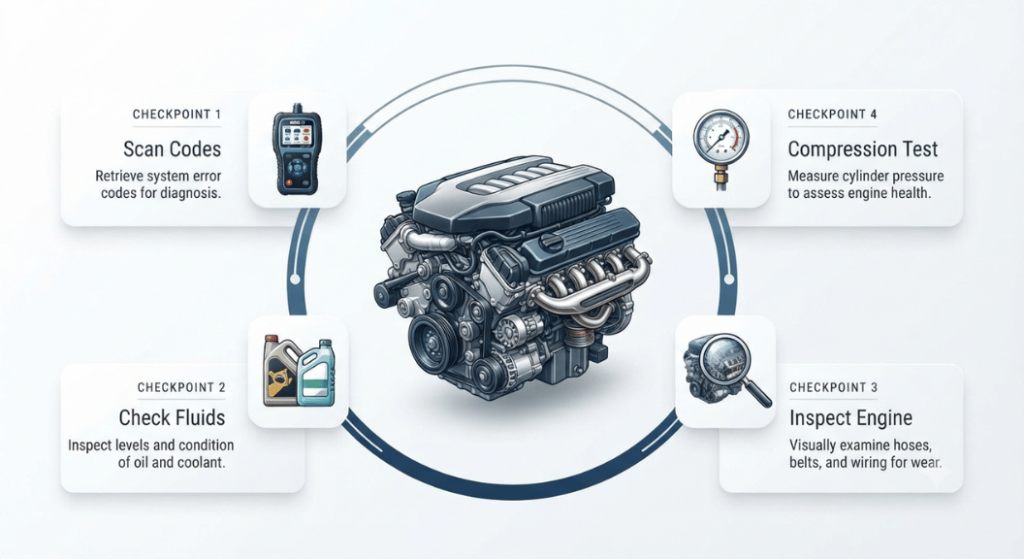
Jumping into repairs without a real diagnosis is one of the costliest mistakes car owners make. Work through it methodically:
1. Pull the codes. If the Check Engine light is on, an OBD-II scanner will read the trouble code — many Biloxi auto parts stores will do this for free. This narrows things down to ignition, fuel, emissions, or sensors instead of guesswork.
2. Check your fluids. Low or discolored fluid is often the actual root cause. Milky-looking oil usually means coolant has mixed into it — a sign of a blown head gasket.
3. Listen and inspect. Start the engine cold and listen for knocking, ticking, or squealing. Check hoses for cracks (salt-air corrosion can be a factor here), battery terminals for corrosion, and gaskets for oil residue.
4. Run a compression test if you suspect internal damage. Low or uneven compression across cylinders usually points to worn rings, valves, or a failing head gasket — repairs that go beyond a quick DIY fix.
Engine Overheating: What to Do:
Given the local climate, overheating is one of the most common issues Biloxi drivers run into — and one of the most damaging if ignored, since it can warp a cylinder head within minutes.
If Your Engine Overheats While Driving:
- Turn off the AC and turn the heater on full blast — it pulls heat away from the engine.
- Pull over safely and shut the engine off.
- Wait at least 15–20 minutes before opening the hood.
- Never open the radiator cap while the engine is hot — pressurized coolant can cause serious burns.
Common Overheating Causes:
| Cause | Typical Symptom | Typical Fix |
| Low coolant | Gradual temperature rise | Refill and check for leaks |
| Radiator leak | Coolant puddle, low fluid | Patch or replace radiator |
| Faulty thermostat | Sudden temperature spikes | Replace thermostat ($150–$300) |
| Failing water pump | Whining noise, leak near pulley | Replace water pump ($400–$750) |
| Clogged radiator | Overheats mostly at idle/traffic | Flush cooling system |
| Blown head gasket | White smoke, milky oil, overheating | Replace head gasket ($1,500–$3,000+) |
Thermostat Replacement Walkthrough:
A bad thermostat is one of the most common — and most affordable — causes of overheating. Here’s the general process:
- Drain a portion of coolant into a catch pan.
- Locate the thermostat housing, usually where the upper radiator hose connects to the engine.
- Remove the housing bolts and take out the old thermostat, noting how it was oriented.
- Clean the mating surface and install the new thermostat with a fresh gasket.
- Reattach the housing, refill coolant, and bleed air from the system.
- Start the engine and watch the temperature gauge for 10–15 minutes.
If the temperature holds steady, you’re done. If it keeps climbing, the problem is likely deeper in the cooling system.
General Engine Repair Procedure:
Most engine repairs, regardless of the specific issue, follow a similar sequence:
- Diagnose the root cause using codes, inspection, and testing.
- Gather the correct parts — the wrong gasket or fluid type invites repeat failures.
- Disconnect the battery before working on electrical or fuel components.
- Relieve fuel line pressure and let the engine cool fully.
- Remove components carefully, keeping bolts and parts organized.
- Inspect nearby parts while you have access — catching a small leak now saves a second repair later.
- Replace the faulty part, following manufacturer torque specs.
- Reassemble in reverse order, using new gaskets and seals rather than reused ones.
- Refill fluids and bleed air from cooling or fuel systems.
- Test at idle, then low speed, then highway speed, watching your gauges the whole time.
Skipping torque specs or fluid bleeding is one of the most common reasons DIY repairs fail a second time.
What Repairs Typically Cost?
Costs vary by vehicle and by whether you DIY or hire a shop. Here’s a realistic range — labor rates in the Biloxi area, like most of the Gulf Coast, tend to run toward the lower-to-middle end of the national $100–$200/hour range, though dealership labor will run higher.
| Repair | DIY (Parts Only) | Shop (Parts + Labor) |
| Oil change | $30–$60 | $60–$120 |
| Thermostat replacement | $20–$50 | $150–$300 |
| Water pump replacement | $80–$200 | $400–$750 |
| Radiator replacement | $150–$350 | $500–$900 |
| Head gasket replacement | $200–$400 | $1,500–$3,000+ |
| Timing belt/chain replacement | $150–$400 | $600–$1,200 |
| Full engine rebuild | $1,000–$2,500 | $3,000–$5,000+ |
| Full engine replacement | $2,500–$4,000 | $4,000–$8,000+ |
DIY or Call a Biloxi Mechanic?
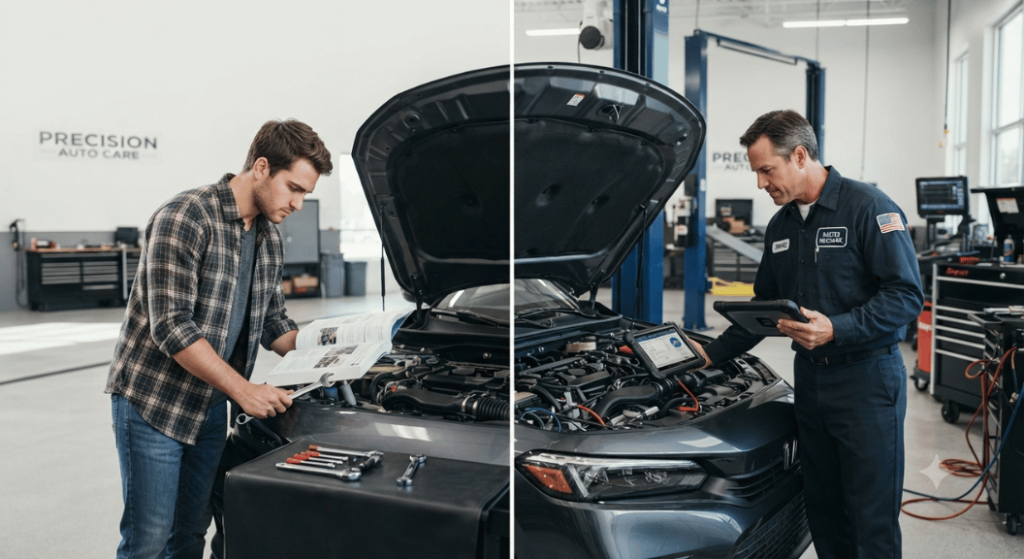
Good candidates for DIY:
- Thermostat replacement
- Battery and alternator work
- Spark plug replacement
- Coolant flushes
- Belt and hose replacement
Better left to a professional:
- Head gasket replacement
- Timing belt/chain jobs (interference engines can bend valves if timing slips)
- Full engine rebuilds or replacements
- Anything requiring specialized diagnostic equipment
If a job involves the cylinder head, timing components, or torque sequences you’re not confident about, the cost of a mistake usually outweighs whatever you’d save in labor. For anything in that category, it’s worth getting quotes from a couple of local Biloxi or Gulfport shops before committing.
Tips for a Successful Repair:
- Always replace gaskets and seals, even ones that look fine — reused gaskets are a top cause of repeat leaks.
- Follow torque specs exactly; overtightening bolts on aluminum parts can crack them.
- Use the coolant type your manufacturer specifies — mixing types can cause corrosion and clogging, which is already a risk in a salt-air environment.
- Bleed the cooling system fully; trapped air pockets cause false overheating readings.
- Keep a simple repair log so you can track what’s been replaced and when.
- Don’t ignore small leaks — a minor drip today is often a major failure in six months, especially with added corrosion risk near the coast.
Common Mistakes to Avoid:
- Topping off coolant without finding the leak. This hides the problem while damage continues.
- Using the wrong oil viscosity. Check your owner’s manual — the wrong viscosity affects lubrication and speeds up wear.
- Ignoring the Check Engine light because the car “still runs fine.” Many codes flag problems that are cheap to fix early and expensive later.
- Over- or under-torquing bolts. Both cause leaks or component failure — use a torque wrench for anything critical.
- Skipping a proper diagnosis. Guessing at parts usually means paying twice.
Conclusion:
Engine trouble feels overwhelming in the moment, whether it’s a flashing warning light or steam rising from the hood on a humid Biloxi afternoon. But most problems follow recognizable patterns with clear paths to a fix. Learn to diagnose accurately, understand what a repair should realistically cost, and match the job to your actual skill level and tools — and you’ll be in a much stronger position, whether that means handling it yourself in the driveway or bringing it to a trusted shop on the coast.
The core advice holds no matter where you live: don’t ignore early warning signs, get a real diagnosis before buying parts, and be honest with yourself about which jobs you’re equipped to handle. In a climate that’s tougher on engines than most, staying ahead of small issues is what keeps a big repair bill off your plate.
Frequently Asked Questions
1. Where can I get my car engine repaired in Biloxi, MS?
You can find multiple engine repair and general auto repair shops in Biloxi, including chain shops like Firestone Complete Auto Care and independent garages listed on Yelp and similar directories. Many Biloxi-area shops also appear on platforms like Biloxi Garage under “engine rebuilding” or “engine repair” categories.
2. How do I choose a reliable engine repair shop in Biloxi?
Check online reviews on sites like Yelp and Superpages to see ratings, customer comments, and photos of local shops. Look for ASE-certified technicians, clear pricing, and repair facilities that are listed as certified or recommended on services like Biloxi Garage.
3. What are signs that my engine needs repair?
Common signs include knocking or ticking noises, loss of power, excessive exhaust smoke, overheating, and oil leaks under the vehicle. If you notice warning lights or persistent strange noises, most Biloxi shops recommend bringing the car in quickly rather than waiting for the problem to worsen.
4. Can I repair my car engine myself in Biloxi, MS?
Basic maintenance like checking oil levels, replacing air filters, or inspecting belts can be DIY if you have tools and follow repair manuals. However, major engine repairs or rebuilding usually require professional equipment and expertise, so most drivers in Biloxi rely on certified mechanics.
5. How much does engine repair typically cost in Biloxi?
Costs vary widely depending on whether it’s minor work (like gasket or sensor replacement) or major repairs or rebuilding. Local Biloxi shops and national chains suggest getting a diagnostic and written estimate first so you understand labor hours and parts pricing before authorizing work.
6. Do Biloxi repair shops work on both gas and diesel engines?
Many engine repair facilities near Biloxi service gas and diesel engines and handle cars, trucks, SUVs, and sometimes RVs or heavy-duty vehicles. When calling, specify your engine type and vehicle model so the shop can confirm coverage and ensure the right technician is available.
7. How long does an engine repair usually take?
Minor repairs can sometimes be completed the same day, depending on parts availability and shop workload. Full engine rebuilds or complex diagnostics often require several days at Biloxi repair facilities, and some shops may schedule appointments one or more days in advance.
8. Are there certified engine repair shops near Biloxi?
Biloxi Garage lists certified repair shops near Biloxi that meet quality and fair price standards for engine and powertrain work. Many local garages and national chains advertise ASE-certified technicians and may highlight certifications on their websites or listings.
9. Can I get mobile engine repair in Biloxi, MS?
Some providers near Biloxi and surrounding areas advertise mobile mechanical services or roadside assistance for certain repairs. Mobile mechanics typically handle diagnostics and smaller repairs on-site, while major engine work is still performed in full-service garages.
10. What should I ask a Biloxi mechanic before engine repair?
Ask about diagnostic fees, a written estimate, warranty on parts and labor, expected repair time, and whether they use OEM or aftermarket parts. You can also check if the shop offers loaner vehicles or shuttle services while your car is in the shop.
11. Do Biloxi engine repair shops offer warranties?
Many reputable auto repair shops provide warranties or guarantees on engine repair labor and installed parts. Warranty terms vary, so always request written details on what’s covered, mileage limits, and time duration.
12. How can I prevent engine problems in the Biloxi climate?
Regular oil changes, coolant checks, and timely belt and hose inspections help protect engines in hot and humid coastal climates. Local shops recommend following manufacturer service intervals and not ignoring unusual noises or warning lights, since minor issues can quickly become major repairs.
13. Are there engine rebuilding services in Biloxi, MS?
Directories like Superpages and AllPages list several businesses in or near Biloxi that offer engine rebuilding, repair, and exchange services. These shops handle major internal repairs, resurfacing, and component replacement for engines that are severely worn or damaged.
14. Can Biloxi shops help with engine diagnostics only?
Yes, many auto repair facilities offer engine diagnostics using scan tools and testing equipment without immediately performing full repairs. You can use diagnostics to identify the problem and then decide whether to fix it at that shop or compare estimates elsewhere.
15. What are typical business hours for engine repair shops in Biloxi?
Some Biloxi-area auto shops operate Monday through Friday with extended daytime hours and limited Saturday service. For example, one local provider lists hours from early morning to evening on weekdays and shorter hours on Saturdays, closed Sundays.
16. Do Biloxi garages repair foreign and domestic car engines?
Several Biloxi and nearby shops advertise service for both domestic and foreign vehicles, including popular imported brands. Checking the shop’s website or listing for your specific make (e.g., Honda, Ford, Toyota) ensures they have experience and access to appropriate parts.
17. Can I get engine repair financing or payment options?
Some national chains and larger local garages offer financing programs, credit card payments, or promotional offers for repairs. It’s best to ask Biloxi shops directly whether they provide payment plans or special discounts for larger engine jobs.
18. What if my engine fails while driving in Biloxi?
If your engine loses power or overheats, pull over safely, turn off the vehicle, and consider calling roadside assistance or a local towing service. Shops that service the Biloxi area often coordinate towing to their facility and can begin engine diagnostics once the vehicle arrives.
19. Are there small engine repair services in Biloxi?
In addition to car engine repair, there are Biloxi-area businesses dedicated to small engine repair, such as lawn and garden equipment. These are separate from auto repair shops and focus on non-automotive engines, so confirm that your equipment type is supported.
20. How do I schedule an engine repair appointment in Biloxi, MS?
Most garages accept appointments by phone and through online contact forms on their websites. When scheduling, provide your vehicle year, make, model, engine type, and a brief description of the problem to help the shop prepare for your visit.